Colon Health: Science and Lifestyle
Though no one enjoys talking about it, we all have a colon and use it quite often. Colon health impacts you every single day, affecting your overall well-being. Common digestive problems like constipation and diarrhea often signal more serious issues with your colon, but there are plenty of positive choices and habits you can adopt to keep your gut healthy.
Home » Colon Health: Science and Lifestyle
What Are Common Colon Health Issues?
The following are some of the most common issues affecting the colon:
- Irritable bowel syndrome, or IBS: At least one in 10 American adults deals with some type of IBS—a collection of symptoms causing gastrointestinal distress, such as constipation, diarrhea, bloating, abdominal pain, and more.
- Inflammatory bowel disease, or IBD: This includes colon conditions that cause swelling in the digestive tract, leading to other symptoms. Crohn’s disease and ulcerative colitis are considered types of IBD.
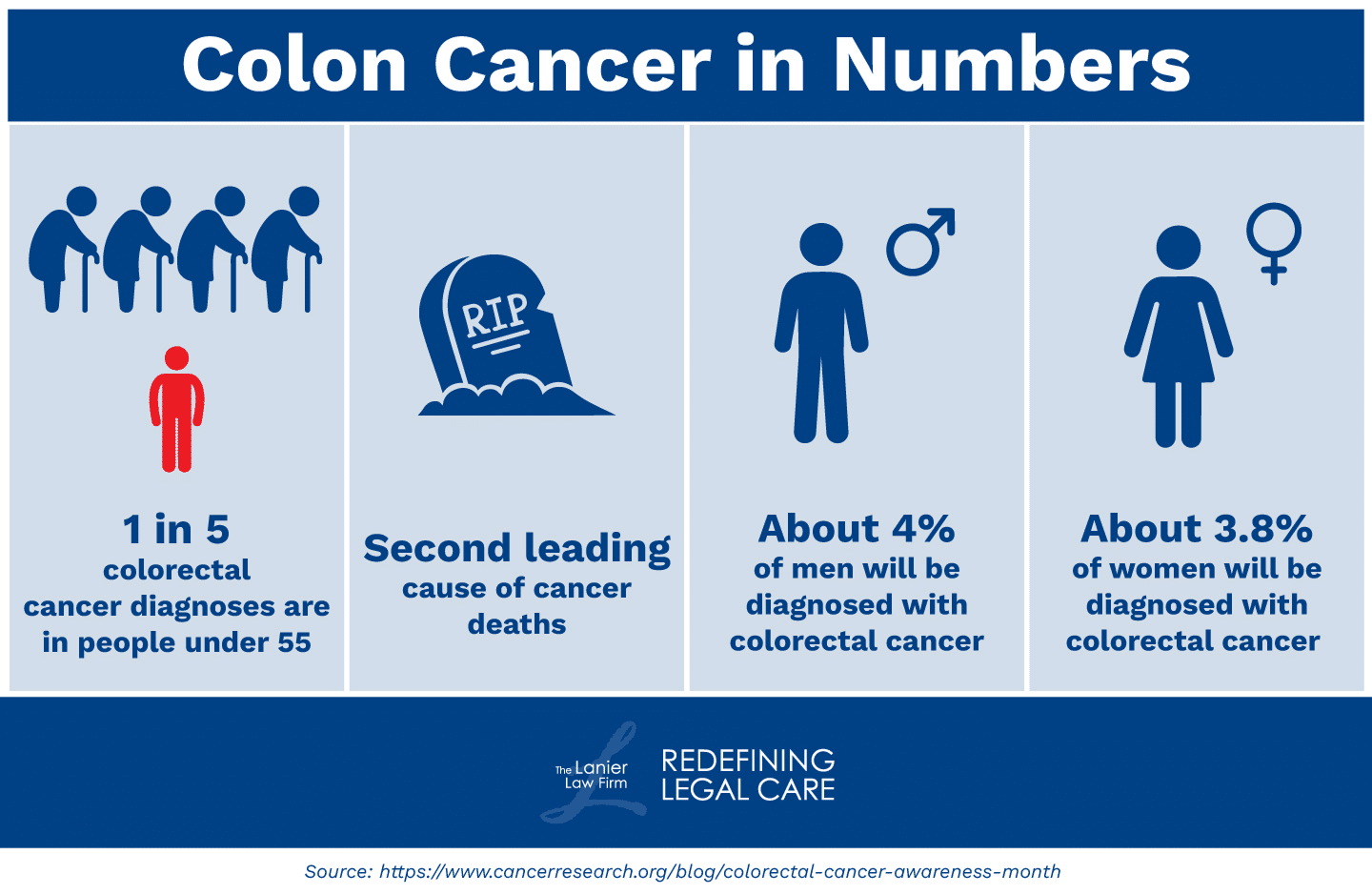
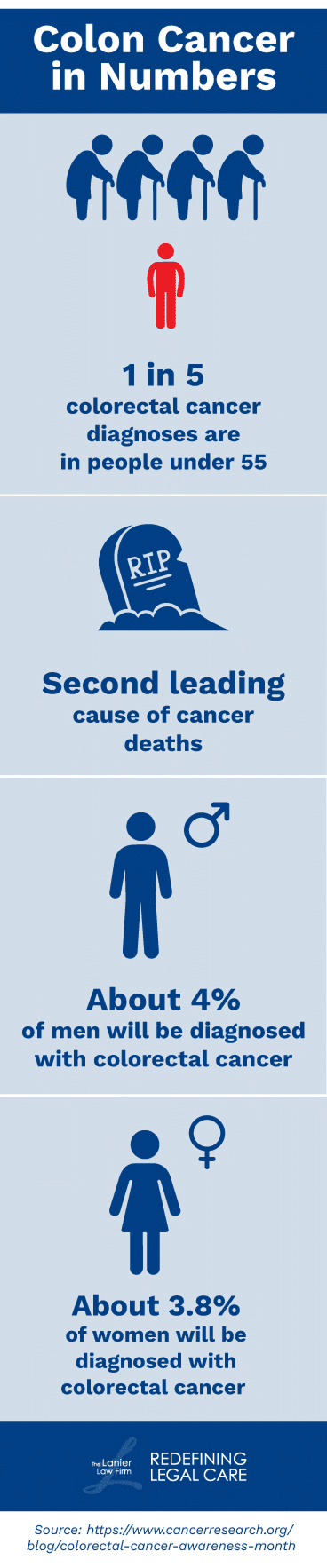
- Colorectal cancer: One of the most common types of cancer, colorectal cancer can be life-threatening if detected too late. Regular screenings after age 45 can help identify and treat colon cancers early.
- Diverticular disease: This condition develops when the intestinal lining forms bulges that can become irritated or infected, leading to pain and discomfort.
What Are the Risk Factors for Poor Colon Health?
Common risk factors for colon conditions include the following:
- Age: Nearly all colorectal cancer cases develop in adults older than 45. Diverticular disease is more likely the older you get.
- Smoking and drinking: Smoking tobacco is the main risk factor for developing Crohn’s disease. Both alcohol and tobacco use are associated with a higher risk of colorectal cancer.
- Family history: Having family members who have had colorectal cancer can raise your risk of also developing it.
- Obesity: Being overweight raises the risk of developing colorectal cancer, especially in men.
- Poor diets: Eating too much red meat and processed foods and not enough fiber over a long period of time can raise your risk of colorectal cancer.
- Sedentary lifestyle: Regular physical activity can reduce the risk of cancer and many other conditions, including colorectal cancer.
- Type 2 diabetes: Those with type 2 diabetes have a higher risk of colorectal cancer and generally experience worse outcomes.
Colon Cancer: Symptoms and Screening
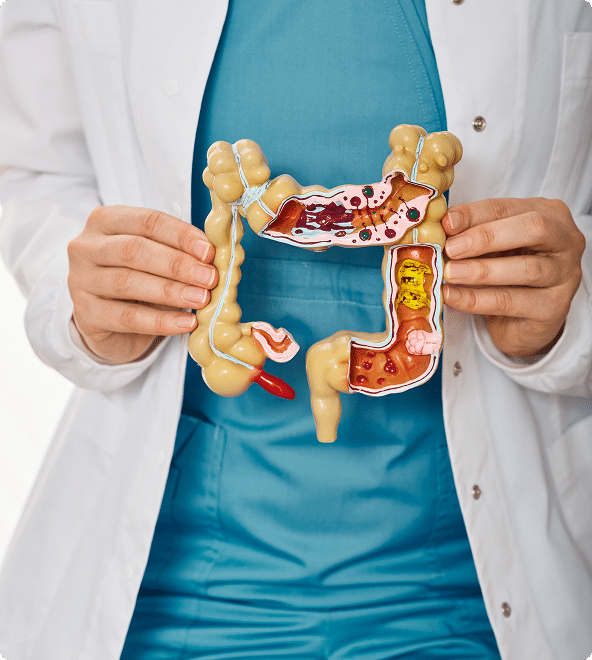
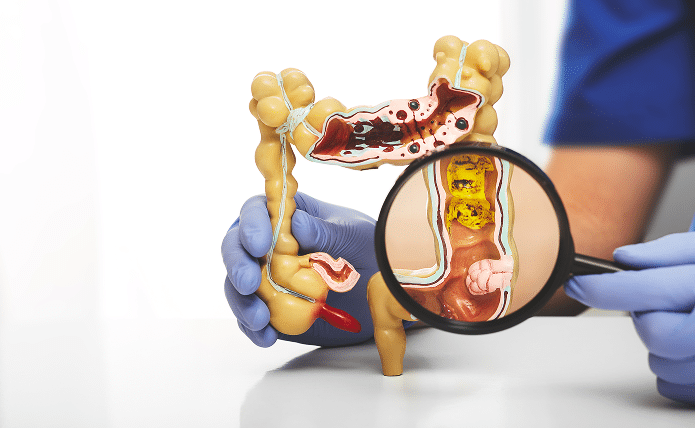
The colon can form small clumps known as polyps, which can become cancerous over time. The older you are, the more likely you are to develop colon cancer, although it can affect anyone at any age.
What Are the Symptoms of Colon Cancer?
Common symptoms of colon cancer include:
- Blood in your stool or bleeding from the rectum
- Experiencing constipation or diarrhea more often than usual
- Fatigue
- Unexplained weight loss
- Persistent pain or discomfort in the abdomen
- Feeling that you aren’t fully “empty” after a bowel movement
What Are the Most Common Colon Cancer Screening Tests?
There are multiple ways to screen for colon cancer, each with its own individual strengths. These tests include the following:
- Colonoscopy: During a colonoscopy, your doctor will use a reusable scope device to search your colon for any abnormalities. Colonoscopies are the most common method of screening for colon cancer and are generally considered the most reliable.
- Virtual colonoscopy: Rather than inserting a scope, it uses a CT scan to view the colon and nearby organs. Virtual colonoscopies are less invasive than traditional colonoscopies and don’t require sedation.
- Fecal tests: Stool DNA tests, fecal occult blood tests, and fecal immunochemical tests are laboratory screenings that can detect genetic abnormalities or hidden blood that may signal colon cancer. Each type of test can be taken at home with minimal preparation compared to a colonoscopy.
Colon cancer isn’t as aggressive as mesothelioma or many other types of cancer, but you should begin screening for colon cancer at age 45. You should continue to get regular screenings every 5 to 10 years thereafter, as recommended by your doctor. However, early-onset colon cancer is becoming more common, so keep an eye out for symptoms and talk to your doctor if you’re concerned.
Level Up Your Gut: Lifestyle Habits Your Colon Will Thank You For
Adopting the following habits can help you maintain a healthy colon:
- Get screened regularly: Early detection and treatment of colon cancer and other issues is the best way to avoid major complications.
- Drink green tea: Studies suggest that green tea consumption may significantly reduce your risk of colon cancer, as long as you don’t smoke.
- Reconsider cleanses: Treatments that “cleanse” your colon are popular, but they have no proven health benefits. In reality, certain cleansing treatments can actually flush out beneficial gut bacteria, harming your colon health in the long term.
- Explore supplements: Omega-3s, curcumin, and other dietary health supplements may help reduce gut inflammation and promote regularity.
- Don’t hold it in: Avoid delaying bowel movements any more than necessary, as doing so can irritate your gut and contribute to digestive issues.
- Maintain healthy habits: Regular exercise can work wonders for your body, including your colon.
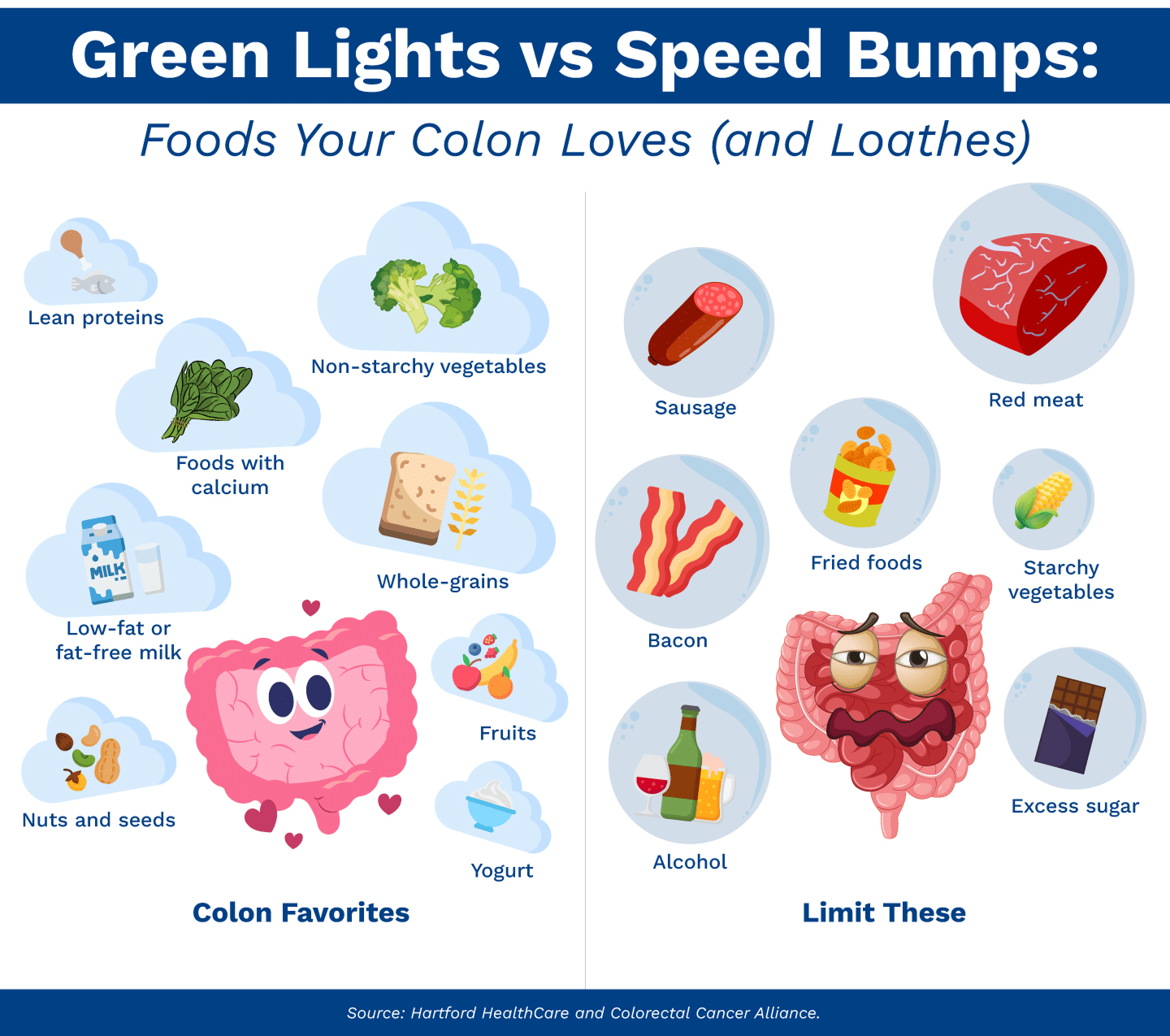
- Make positive dietary changes: Prioritize high-fiber foods, stay hydrated, and avoid excessive intake of highly processed foods to keep your gut healthy. Avoiding alcohol and tobacco can also help reduce your risk of colon cancer.

If you treat your colon right, it will return the favor. The same habits that are best for your colon health will have cascading impacts on the rest of your body, helping you live your best life for longer.