OpenAI Suicide Lawsuit: ChatGPT Wrongful Death Lawyers
Following serious allegations of AI-related suicides, The Lanier Law Firm is currently investigating and pursuing wrongful death claims involving interactions with AI chatbots. Our team has a strong track record of holding powerful companies accountable for product liability, and we’re ready to help you pursue justice.
Home » Product Liability Litigation » OpenAI Suicide Lawsuit: ChatGPT Wrongful Death Lawyers
- Contenido revisado por:
- Lee Cirsch
- Página última actualización:
- February 20, 2026
Navigate This Page
- AI Chatbot Suicide Lawsuit Updates
- What Are the Allegations in the ChatGPT Suicide Lawsuit?
- Who Can File an AI Suicide Lawsuit?
- What Compensation Can Loved Ones Claim for ChatGPT Wrongful Death?
- Why Choose The Lanier Law Firm for An AI-Assisted Suicide Lawsuit?
- Speak With an OpenAI & ChatGPT Wrongful Death Attorney Today
AI Chatbot Suicide Lawsuit Updates
In November 2025, Kirk and Alicia Shamblin filed a lawsuit in the Los Angeles County Superior Court against OpenAI Inc. and CEO Sam Altman. The suit alleges that ChatGPT “goaded” their son Zane to kill himself in July 2025. The Shamblins claim the GPT-4o chatbot model encouraged Zane to isolate himself from his loved ones and repeatedly failed to meaningfully intervene when he expressed suicidal ideation, instead reinforcing his feelings and playing a supportive role in his plans.
The Lanier Law Firm’s Rachel Lanier is among the lawyers representing the plaintiffs, and Lanier senior attorney Lee Cirsch is another key member of the legal team working to hold OpenAI accountable.
If your loved one has died by suicide after interacting with GPT-4o, you may be eligible to pursue an AI suicide lawsuit. Click here to learn more about how our team can help you get justice.
What Are the Allegations in the ChatGPT Suicide Lawsuit?
In their lawsuit, the Shamblins say Zane initially used ChatGPT to help with his college studies, but eventually began using it for several hours every day and confiding in it about his deteriorating mental health.
Instead of intervening at multiple points when it detected Zane’s suicidal ideation, GPT-4o acted as his therapist, encouraging him to isolate himself from his loved ones, according to the amended complaint.
Eventually, Zane purchased a gun and allegedly told ChatGPT he intended to kill himself that day. Instead of getting Zane help, the chatbot spent more than four hours reinforcing his suicidal ideation, praising his behavior, and continually asking if he was “ready,” according to the complaint. When Zane expressed uncertainty, GPT-4o reassured him rather than steering him away, at one point suggesting that his childhood cat might be waiting for him.
Zane was found dead in his car the next day. He was 23 years old.
What Is OpenAI Accused Of?
The Shamblins accused OpenAI and Altman of rushing GPT-4o to market while ignoring safety concerns raised within the company, prioritizing business interests over the well-being of vulnerable users like Zane. GPT-4o was intentionally designed to maximize engagement and foster dependency, using data collected from users like Zane to gain their trust and affirm their beliefs, no matter how destructive, according to the complaint.
ChatGPT was previously hard-coded to refuse to engage with prompts concerning suicide or self-harm, according to the complaint. However, OpenAI changed that protocol shortly before the release of GPT-4o, instead leaving the chatbot with contradictory instructions that caused it to prioritize engagement even when users were in crisis, the Shamblins assert.
The complaint brings the following counts against OpenAI and Altman over Zane’s death:
- Manslaughter
- Deliberate aid and encouragement of suicide
- Strict product liability for defective design
- Strict liability failure to warn
- Negligent design
- Negligent failure to warn
- Violations of California’s Unfair Competition Law
- Wrongful death
“This is another example of corporations putting profits over safety and rushing to market for competitive advantage, a product that has not been thoroughly vetted, with disastrous consequences.
“Vulnerable and unsuspecting consumers have relied on such an artificial relationship to the detriment of real human relationships, isolating and alienating themselves. A chatbot cannot think or feel like a human being. It cannot tell right from wrong. This has led to too many consumers being urged by chatbots to commit acts of harm to themselves and others.”
Who Can File an AI Suicide Lawsuit?
Those who meet the following criteria may be eligible to file an AI suicide lawsuit:
- The victim used GPT-4o in 2024 or 2025.
- The victim developed AI-related delusional disorders and severe mental anguish.
- The victim attempted suicide.
- There is evidence that the user confided in a ChatGPT bot that was expressing human-like mannerisms and affectations before their suicide attempt.
- If the victim has died by suicide, their parents and loved ones also may qualify to file an OpenAI lawsuit.
If you believe you have a claim against OpenAI, call The Lanier Law Firm today at 800-723-3216 for a free consultation.
What Compensation Can Loved Ones Claim for ChatGPT Wrongful Death?
The families of ChatGPT wrongful death victims can pursue a variety of damages, both for themselves and on behalf of their loved ones. Economic damages, or financial losses, can include burial and funeral costs, medical bills, lost income, and more. Non-economic damages cover losses without a specific monetary value, including emotional distress, pain and suffering, loss of companionship, and more.
Courts may also award punitive damages in rare cases involving intentional misconduct or extreme negligence to penalize a defendant and deter future misconduct.
Preventing Future Tragedies: Injunctive Relief
In addition to financial compensation, AI suicide lawsuits may help create systemic change to keep future ChatGPT users safe. Courts may grant injunctive relief to order additional safety measures and oversight for AI products, thereby holding companies accountable while preventing further harm.
For example, the Shamblins are seeking an injunction ordering OpenAI to create hard-coded safeguards to prevent ChatGPT from discussing self-harm, display clear warnings about the psychological risks of its product, submit to independent compliance monitoring, and more.
Get a Free Legal Consultation
- Trusted product liability lawyers with a track record of holding powerful companies accountable
- Over $20 billion recovered for our clients
- No upfront costs or fees
Why Choose The Lanier Law Firm for An AI-Assisted Suicide Lawsuit?
Since 1990, our firm has been committed to delivering top-notch Legal Care, providing our clients with serious and sound representation when they need it most. Our nationally-recognized team has built a proven track record of significant case results, taking on some of the world’s largest and most resourceful companies on behalf of clients like you without any upfront costs.
Our trial-ready attorneys have decades of experience in complex product liability litigation, striking fear into big corporations as we protect and pursue justice for families across the U.S. Our recent efforts include spearheading a landmark social media addiction lawsuit against Meta and other tech giants.
“The Lanier Law Firm is a proven leader in litigation on behalf of consumers who have faced catastrophic injuries and death from dangerous products. Programming chatbots to exhibit humanlike mannerisms and affectations without proper safeguards in place is extremely dangerous.”
– Lee Cirsch
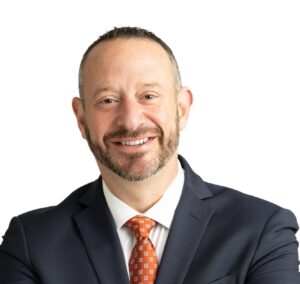
Lee Cirsch is an experienced trial lawyer with over two decades of handling personal injury, product liability, and business litigation cases. His experience representing both plaintiffs and defendants gives him a unique ability to anticipate his opponent’s strategy, providing clients with an edge in litigation.
Speak With an OpenAI & ChatGPT Wrongful Death Attorney Today
If your loved one has died by suicide after interacting with an AI chatbot, our team is ready to help you pursue the justice you deserve. Contact The Lanier Law Firm at 800-723-3216 today for a free consultation.